


Revolutionizing Patient Care with Technology for Better Healthcare

In recent years, the healthcare industry has undergone a significant transformation thanks to the rapid advancement of technology. These innovations are not only improving the efficiency of medical services but also enhancing patient outcomes and experiences. From telemedicine to artificial intelligence, technology is reshaping how care is delivered, making it more accessible, personalized, and effective.
The Role of Technology for Better Healthcare
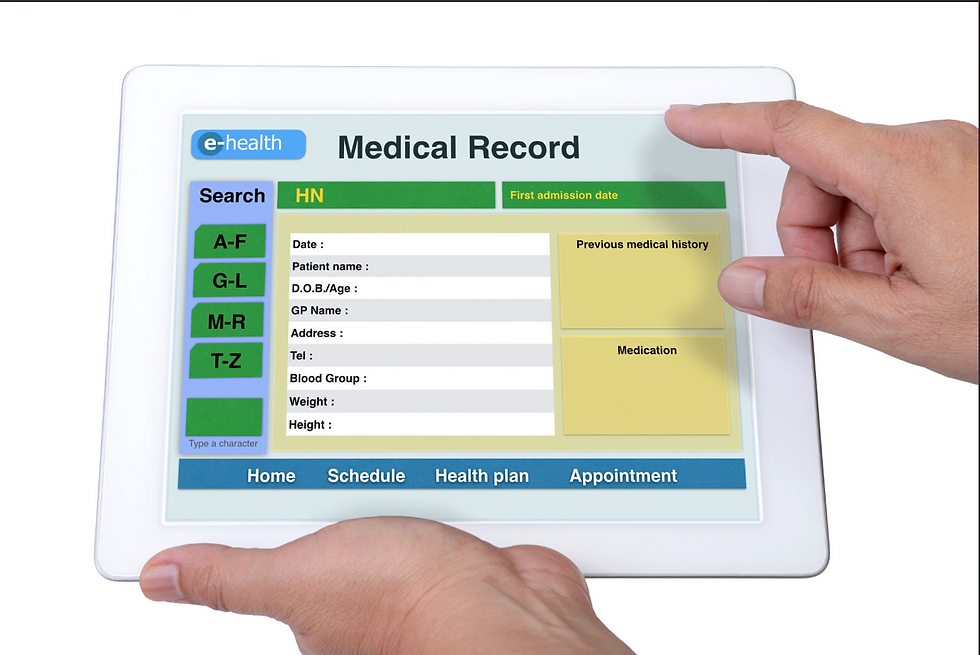
Technology for better healthcare is no longer a futuristic concept; it is a present-day reality that is changing the landscape of patient care. Hospitals and clinics are adopting digital tools to streamline operations, reduce errors, and provide timely interventions. Electronic health records (EHRs), wearable devices, and mobile health apps are just a few examples of how technology is integrated into everyday medical practice.
For instance, EHRs allow healthcare providers to access a patient’s medical history instantly, facilitating quicker diagnosis and treatment. Wearable devices monitor vital signs continuously, alerting both patients and doctors to potential health issues before they become critical. Mobile apps empower patients to manage their health proactively by tracking medication schedules, symptoms, and appointments.

Key Technologies Transforming Patient Care
Several cutting-edge technologies are at the forefront of revolutionizing patient care. Understanding these can help healthcare providers and patients alike appreciate the benefits and potential of modern medical technology.
Telemedicine and Remote Monitoring
Telemedicine has become a vital tool, especially in rural or underserved areas where access to specialists is limited. It enables patients to consult with healthcare professionals via video calls, reducing the need for travel and minimizing exposure to contagious diseases. Remote monitoring devices collect real-time health data, allowing continuous supervision of chronic conditions such as diabetes or heart disease.
Artificial Intelligence and Machine Learning
AI algorithms analyze vast amounts of medical data to assist in diagnosis, predict disease progression, and recommend personalized treatment plans. Machine learning models can detect patterns that might be missed by human eyes, improving accuracy and speed in medical imaging and pathology.
Robotics and Automation
Robotic surgery offers precision and minimally invasive procedures, leading to faster recovery times and fewer complications. Automation in laboratories and pharmacies enhances efficiency and reduces human error in medication dispensing and diagnostic testing.
Virtual Reality and Augmented Reality
VR and AR technologies are being used for patient rehabilitation, surgical training, and pain management. These immersive tools provide interactive environments that can improve patient engagement and outcomes.

Practical Benefits of Healthcare Technology Solutions
The integration of healthcare technology solutions brings tangible benefits to both patients and providers. Here are some specific advantages:
Improved Access to Care: Telehealth breaks down geographical barriers, making healthcare accessible to more people.
Enhanced Patient Engagement: Digital tools encourage patients to take an active role in managing their health.
Faster Diagnosis and Treatment: AI and data analytics speed up the identification of health issues.
Cost Reduction: Automation and remote monitoring reduce hospital stays and unnecessary visits.
Better Chronic Disease Management: Continuous monitoring helps in early detection of complications.
Healthcare providers looking to implement these technologies should focus on user-friendly interfaces, data security, and interoperability between systems to maximize benefits.
Overcoming Challenges in Implementing Healthcare Technology
Despite the promising advantages, adopting new technology in healthcare comes with challenges. These include:
Data Privacy and Security: Protecting sensitive patient information is paramount.
Cost and Infrastructure: Initial investment and maintenance can be expensive.
Training and Adoption: Staff need adequate training to use new systems effectively.
Regulatory Compliance: Technologies must meet healthcare regulations and standards.
To overcome these hurdles, organizations should develop clear strategies that include stakeholder engagement, continuous education, and partnerships with technology providers. Emphasizing patient-centered design and robust cybersecurity measures will also build trust and ensure successful implementation.
Looking Ahead: The Future of Patient Care
The future of patient care is bright with ongoing innovations in healthcare technology. Emerging trends such as personalized medicine, genomics, and blockchain for secure data sharing promise to further enhance the quality and safety of healthcare services. As technology continues to evolve, it will empower patients and providers to work together more effectively, leading to better health outcomes worldwide.
By embracing these advancements and addressing implementation challenges, the healthcare industry can continue to revolutionize patient care, making it more efficient, accessible, and compassionate.
This transformation is driven by the continuous development of healthcare technology solutions that prioritize patient needs and clinical excellence. Staying informed and adaptable will be key for all stakeholders in this exciting journey toward better healthcare.


Comments