


Revolutionizing Patient Care with Technology for Better Healthcare

In today’s fast-paced world, technology is transforming every aspect of our lives, and healthcare is no exception. The integration of advanced tools and systems is reshaping how patient care is delivered, making it more efficient, personalized, and accessible. As someone deeply interested in the intersection of health and technology, I find this evolution both exciting and essential. How exactly is technology revolutionizing patient care? Let’s explore the key ways this transformation is happening and what it means for the future of healthcare.
Embracing Technology for Better Healthcare Delivery
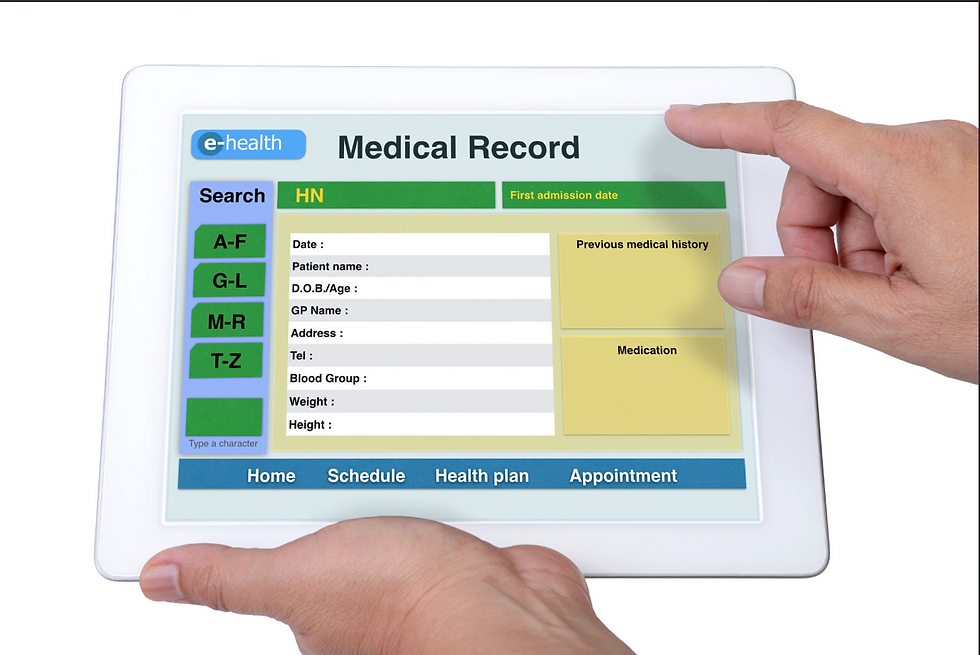
Healthcare technology is no longer just about fancy gadgets or futuristic ideas. It’s about practical solutions that improve outcomes and streamline processes. From electronic health records (EHRs) to telemedicine, these tools are helping healthcare professionals provide better care with greater accuracy and speed.
For example, EHRs have replaced bulky paper files, allowing doctors to access patient histories instantly. This reduces errors and ensures that every decision is informed by comprehensive data. Telemedicine, on the other hand, breaks down geographical barriers. Patients in remote areas can now consult specialists without traveling long distances, saving time and reducing stress.
Imagine a rural patient with a chronic condition who can have regular check-ins via video calls. This not only improves their health management but also reduces hospital visits and associated costs. It’s a win-win for both patients and providers.

How Data Analytics and AI Enhance Patient Care
One of the most exciting developments in healthcare technology is the use of data analytics and artificial intelligence (AI). These tools analyze vast amounts of health data to identify patterns, predict outcomes, and support clinical decisions.
For instance, AI algorithms can detect early signs of diseases like cancer or diabetes by analyzing medical images or lab results. This early detection can save lives by enabling timely interventions. Additionally, predictive analytics can help hospitals manage resources better by forecasting patient admissions and staffing needs.
But it’s not just about prediction. AI-powered chatbots and virtual assistants are becoming valuable tools for patient engagement. They provide 24/7 support, answer common health questions, and remind patients to take medications or attend appointments. This continuous interaction encourages adherence to treatment plans and promotes healthier behaviors.
Healthcare professionals can leverage these insights to tailor treatments to individual patients, moving away from a one-size-fits-all approach. Personalized medicine is becoming a reality, thanks to these technological advances.
The Role of Wearable Devices and Remote Monitoring
Wearable technology is another game-changer in patient care. Devices like smartwatches and fitness trackers monitor vital signs such as heart rate, blood pressure, and oxygen levels in real time. This continuous monitoring allows for early detection of potential health issues before they become critical.
For patients with chronic illnesses, remote monitoring devices can transmit data directly to healthcare providers. This means doctors can track progress and adjust treatments without requiring frequent office visits. It’s a more convenient and proactive approach to managing health.
Consider a patient recovering from heart surgery. A wearable device can alert the care team if irregular heart rhythms occur, prompting immediate action. This reduces the risk of complications and hospital readmissions.
Moreover, these devices empower patients to take control of their health. By providing instant feedback and progress tracking, they motivate lifestyle changes that improve overall well-being.

Overcoming Challenges in Implementing Healthcare Technology
While the benefits of healthcare technology are clear, implementing these solutions is not without challenges. Issues such as data privacy, interoperability, and user training must be addressed to ensure successful adoption.
Data security is paramount. Patients trust healthcare providers with sensitive information, and breaches can have serious consequences. Robust encryption, secure networks, and strict access controls are essential to protect this data.
Interoperability—the ability of different systems to communicate—is another hurdle. Many healthcare organizations use diverse platforms that don’t always integrate smoothly. This can lead to fragmented information and inefficiencies. Standardizing data formats and encouraging collaboration among vendors can help overcome this barrier.
Training healthcare professionals to use new technologies effectively is equally important. Without proper education and support, even the best tools can fail to deliver their potential benefits. Ongoing training programs and user-friendly interfaces can ease this transition.
Despite these challenges, the drive to improve patient care through technology remains strong. By addressing these issues thoughtfully, the healthcare industry can unlock the full potential of innovation.
Looking Ahead: The Future of Patient Care with Technology
The future of patient care is bright, thanks to continuous advancements in healthcare technology. Emerging trends like blockchain for secure data sharing, virtual reality for pain management, and genomics for personalized treatments promise to further revolutionize healthcare.
As these technologies mature, they will become more integrated into everyday clinical practice. This will lead to more precise diagnoses, faster treatments, and better patient experiences. The focus will increasingly be on prevention and wellness, supported by real-time data and intelligent systems.
For healthcare professionals and enthusiasts, staying informed about these developments is crucial. Engaging with the latest research, participating in training, and advocating for smart policies will help ensure that technology serves its ultimate purpose - improving patient outcomes.
If you want to explore practical tools and strategies, consider looking into healthcare technology solutions that are designed to meet the evolving needs of modern healthcare.
Empowering Healthcare Through Technology Innovation
Technology is not just a tool; it’s a catalyst for change in patient care. By embracing innovation thoughtfully and responsibly, we can create a healthcare system that is more responsive, efficient, and compassionate.
Whether it’s through better data management, remote monitoring, or AI-driven insights, the possibilities are vast. The key is to keep the patient at the center of every technological advancement.
Let’s continue to explore, learn, and implement these technologies to build a healthier future for all. After all, isn’t that the ultimate goal of healthcare?


Comments