


Revolutionizing Patient Care with Technology for Better Healthcare

In recent years, the healthcare industry has witnessed a remarkable transformation driven by technology. This revolution is reshaping how patient care is delivered, making it more efficient, personalized, and accessible. From digital records to wearable devices, technology is bridging gaps and improving outcomes for patients worldwide. This article explores the key ways technology is revolutionizing patient care and what it means for the future of healthcare.
The Role of Technology for Better Healthcare Delivery
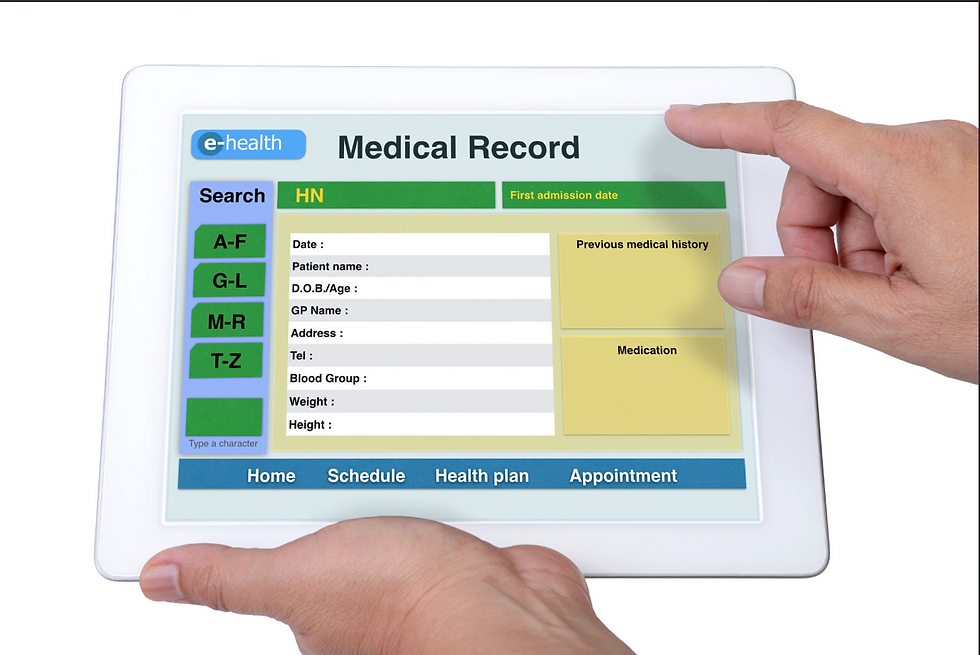
Technology has become a cornerstone in enhancing healthcare delivery. Electronic Health Records (EHRs) have replaced paper charts, allowing healthcare providers to access patient information quickly and securely. This shift reduces errors, streamlines workflows, and improves communication among medical teams.
Telemedicine is another breakthrough, enabling patients to consult doctors remotely. This is especially valuable for those in rural or underserved areas, where access to specialists may be limited. Video calls, mobile apps, and remote monitoring devices allow continuous care without the need for frequent hospital visits.
Examples of technology improving healthcare delivery include:
Remote patient monitoring: Devices track vital signs like heart rate and blood pressure in real-time.
AI-powered diagnostics: Algorithms analyze medical images to detect diseases earlier.
Mobile health apps: Patients can manage medications, appointments, and health goals on their smartphones.
These innovations not only improve patient outcomes but also reduce healthcare costs by preventing complications and hospital readmissions.

Enhancing Patient Engagement and Experience
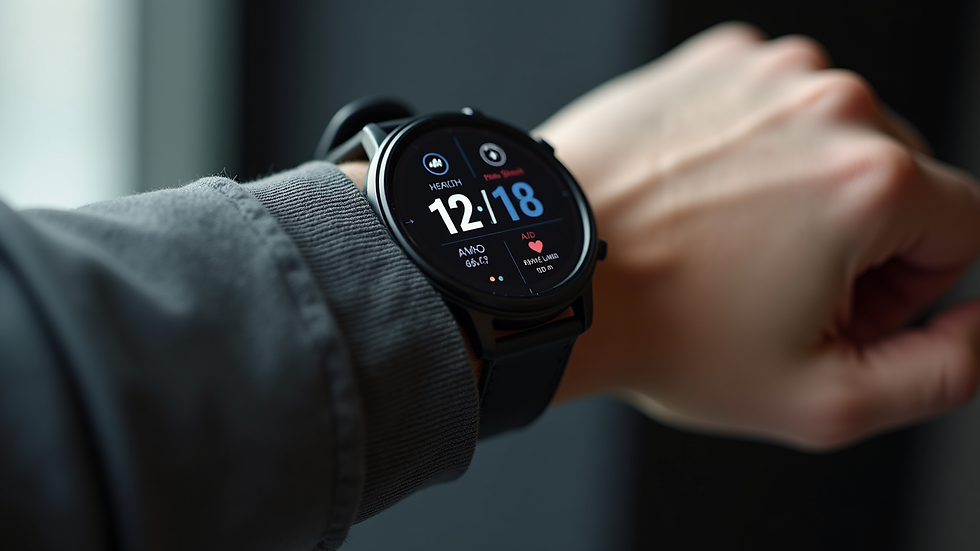
Patient engagement is critical for successful healthcare outcomes. Technology empowers patients to take an active role in their health management. Wearable devices such as fitness trackers and smartwatches provide continuous feedback on physical activity, sleep patterns, and heart health.
Healthcare providers use patient portals to share test results, educational materials, and personalized care plans. This transparency builds trust and encourages patients to adhere to treatment regimens.
Practical ways to boost patient engagement through technology:
Use mobile apps for medication reminders to improve adherence.
Offer virtual support groups to connect patients with similar conditions.
Provide interactive educational content tailored to individual health needs.
By fostering collaboration between patients and providers, technology creates a more patient-centered healthcare environment.
Integrating Healthcare Technology Solutions for Improved Outcomes
Healthcare providers are increasingly adopting healthcare technology solutions to streamline operations and enhance patient care. These solutions encompass a wide range of tools, from clinical decision support systems to automated appointment scheduling.
One notable example is the use of Artificial Intelligence (AI) in predictive analytics. AI models analyze large datasets to identify patients at risk of chronic diseases or hospital readmission. This allows for early intervention and personalized treatment plans.
Robotic surgery is another area where technology is making a difference. Robots assist surgeons with precision and control, reducing recovery times and minimizing complications.
Key benefits of integrating technology solutions include:
Improved accuracy in diagnosis and treatment.
Enhanced coordination among multidisciplinary teams.
Greater efficiency in administrative tasks.
Healthcare organizations that invest in these technologies can expect better patient satisfaction and improved clinical outcomes.
Data Security and Privacy in Healthcare Technology
As healthcare becomes more digital, protecting patient data is paramount. Cybersecurity threats pose significant risks to sensitive health information. Healthcare providers must implement robust security measures to safeguard data privacy.
Encryption, multi-factor authentication, and regular security audits are essential components of a strong defense strategy. Additionally, compliance with regulations such as HIPAA ensures that patient rights are respected.
Patients should also be educated about protecting their personal health information, especially when using mobile apps or telehealth services.
Recommendations for enhancing data security:
Use secure networks and devices for telemedicine.
Limit access to patient data based on roles.
Conduct ongoing staff training on cybersecurity best practices.
Maintaining trust through data security is crucial for the continued adoption of healthcare technology.
The Future of Patient Care with Emerging Technologies
Looking ahead, emerging technologies promise to further revolutionize patient care. Virtual reality (VR) and augmented reality (AR) are being explored for pain management, surgical training, and patient education.
Blockchain technology offers potential for secure and transparent health data exchange. Meanwhile, advances in genomics and personalized medicine will enable treatments tailored to individual genetic profiles.
Actionable steps for healthcare providers to prepare for the future:
Stay informed about new technology trends and research.
Invest in staff training and infrastructure upgrades.
Collaborate with technology developers to pilot innovative solutions.
By embracing these advancements, the healthcare industry can continue to improve patient outcomes and create a more efficient, compassionate system.
Embracing Technology for a Healthier Tomorrow
The integration of technology into healthcare is not just a trend but a fundamental shift in how patient care is delivered. From improving access and engagement to enhancing diagnostics and treatment, technology is transforming the patient experience.
Healthcare providers, patients, and policymakers must work together to harness the full potential of these innovations. By doing so, we can build a healthcare system that is more responsive, effective, and equitable for all.
The journey toward better healthcare through technology is ongoing, and the possibilities are limitless. Embracing this change today will pave the way for healthier communities tomorrow.


Comments