


Remote Patient Monitoring: A Game Changer in Healthcare by Monitoring Patients Remotely

Healthcare is evolving rapidly, and one of the most transformative advancements is the ability to monitor patients remotely. This innovation is reshaping how care is delivered, making it more accessible, efficient, and personalized. Remote patient monitoring (RPM) allows healthcare providers to track patients' health data outside traditional clinical settings, improving outcomes and reducing costs.
The Growing Importance of Monitoring Patients Remotely
The demand for monitoring patients remotely has surged due to several factors. Aging populations, chronic disease prevalence, and the need to reduce hospital readmissions have pushed healthcare systems to adopt new technologies. RPM enables continuous health tracking, which helps detect early warning signs and prevents complications.
For example, patients with heart conditions can use wearable devices that monitor heart rate and rhythm. If irregularities are detected, healthcare providers can intervene promptly, potentially avoiding emergency situations. This proactive approach is a significant shift from reactive care models.
Additionally, remote monitoring supports patients living in rural or underserved areas by bridging the gap between them and healthcare professionals. It reduces the need for frequent travel to clinics, saving time and money while ensuring consistent care.

How Remote Patient Monitoring Enhances Patient Care
Remote patient monitoring enhances patient care in multiple ways:
Improved Chronic Disease Management: Patients with diabetes, hypertension, or COPD can have their vital signs tracked daily. This data helps doctors adjust treatments quickly.
Increased Patient Engagement: Patients become active participants in their health by using devices that provide real-time feedback.
Reduced Hospital Visits: Continuous monitoring helps catch issues early, reducing emergency room visits and hospital stays.
Personalized Treatment Plans: Data collected remotely allows for tailored interventions based on individual health trends.
Cost Efficiency: By preventing complications and hospitalizations, RPM lowers overall healthcare expenses.
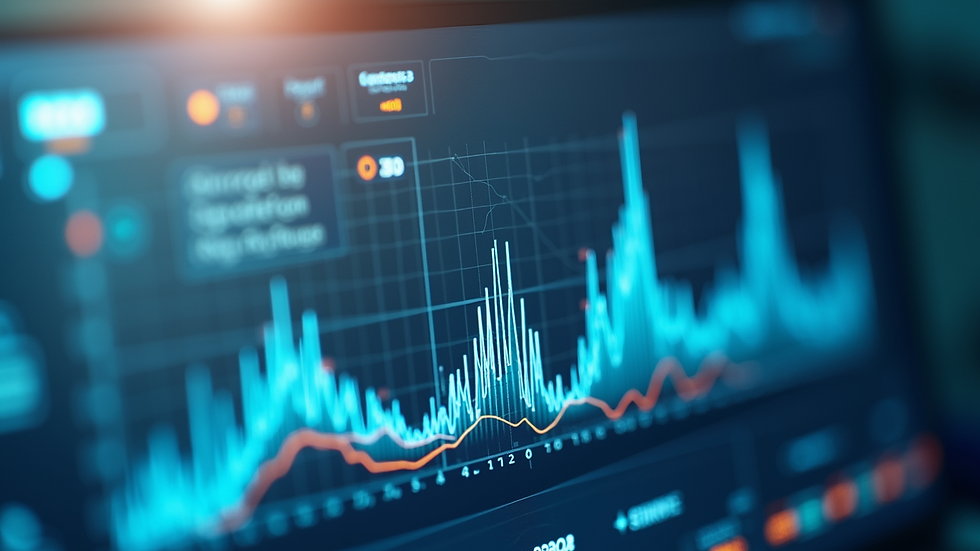
Healthcare providers can use dashboards to view patient data trends and communicate with patients through telehealth platforms. This integration creates a seamless care experience.
What are remote patient monitoring systems?
Remote patient monitoring systems consist of devices, software, and communication technologies that collect and transmit health data from patients to healthcare providers. These systems typically include:
Wearable Devices: Such as smartwatches, glucose monitors, and blood pressure cuffs.
Mobile Apps: For patients to input symptoms or medication adherence.
Data Analytics Platforms: To analyze collected data and generate alerts.
Communication Tools: Enabling virtual consultations and follow-ups.
For instance, a patient with hypertension might use a Bluetooth-enabled blood pressure monitor that sends readings directly to their doctor’s system. If readings exceed safe limits, the system triggers an alert for immediate action.
These systems are designed to be user-friendly, ensuring patients of all ages can participate effectively. Security and privacy are also critical components, with data encryption and compliance with healthcare regulations like HIPAA.
Practical Applications of Remote Patient Monitoring in Healthcare
Remote patient monitoring is applied across various healthcare settings and conditions:
Cardiology: Monitoring heart rate, blood pressure, and ECG to manage arrhythmias and heart failure.
Diabetes Care: Continuous glucose monitoring helps maintain blood sugar levels within target ranges.
Respiratory Diseases: Tracking oxygen saturation and lung function in COPD or asthma patients.
Post-Surgical Care: Ensuring recovery progress and detecting infections early.
Mental Health: Monitoring mood and activity levels to support treatment plans.
Hospitals and clinics are increasingly integrating RPM into their care models. For example, a hospital might discharge a patient with a wearable device to monitor vital signs at home, reducing readmission risk.
Patients also benefit from personalized coaching and reminders through connected apps, improving medication adherence and lifestyle changes.
Challenges and Future Directions in Remote Patient Monitoring
While remote patient monitoring offers many benefits, it also faces challenges:
Technology Adoption: Some patients may struggle with using devices or apps.
Data Overload: Healthcare providers need efficient systems to manage and interpret large volumes of data.
Privacy Concerns: Ensuring patient data security is paramount.
Reimbursement Policies: Insurance coverage for RPM services varies and can limit access.
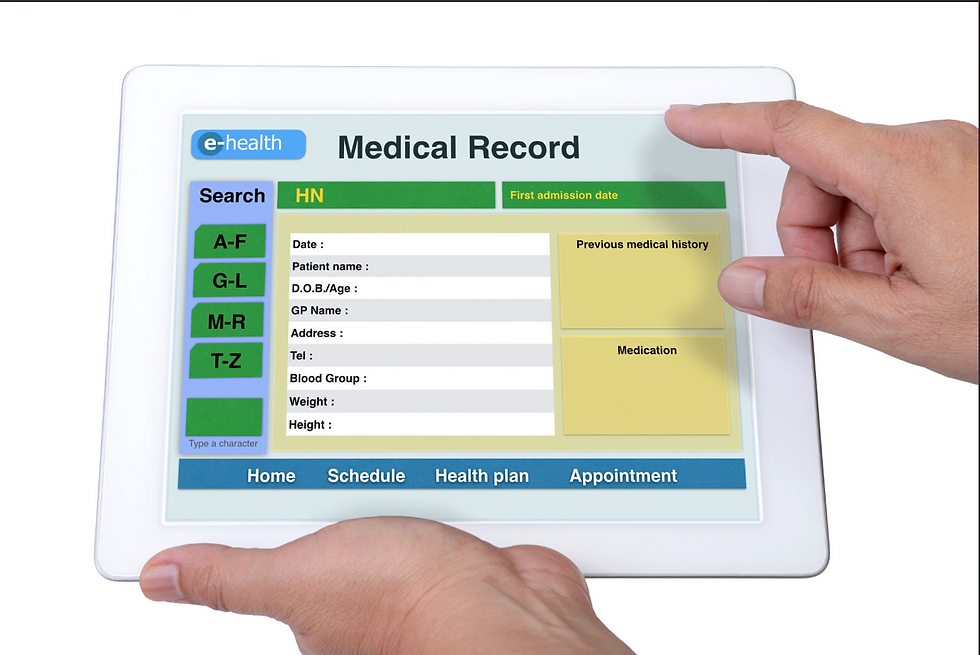
Despite these challenges, the future of RPM looks promising. Advances in artificial intelligence and machine learning will enhance data analysis, enabling predictive healthcare. Integration with electronic health records (EHR) will streamline workflows and improve care coordination.
Healthcare systems are also exploring ways to expand access to RPM through community programs and partnerships, making it a standard part of care delivery.
Embracing Remote Patient Monitoring for Better Health Outcomes
Remote patient monitoring is revolutionizing healthcare by enabling continuous, personalized, and proactive care. It empowers patients and providers alike, leading to better health outcomes and more efficient use of resources.
To maximize the benefits, healthcare organizations should invest in user-friendly technologies, provide patient education, and develop clear protocols for data management. Patients should be encouraged to engage actively with their health data and communicate regularly with their care teams.
For those interested in exploring options, remote patient monitoring solutions offer a variety of tools tailored to different medical needs and settings.
By embracing this technology, the healthcare industry can move towards a future where quality care is accessible anytime and anywhere, improving lives on a global scale.


Comments